Lips · 6 min read
Dark Lips: The Real Causes and What Actually Helps
Most lip darkening is friction, sun and dehydration — not something wrong with you. Here is what changes it and what’s marketing.
Lip darkening is usually caused by chronic dryness, sun exposure, friction, smoking, certain medications, or simply your natural melanin distribution. Genuine improvement comes from consistent hydration, gentle exfoliation, daily SPF and removing the irritant — not from bleaching products, which are unsafe on mucosal skin and often illegal.
Why lips darken
- Dehydration and licking. Saliva evaporates and takes moisture with it, and the digestive enzymes in it irritate the thin lip skin. Chronic lip-licking is one of the most common causes of a dark ring around the mouth.
- Sun. Lips have almost no melanin protection on the vermilion and thin skin overall. Repeated UV exposure triggers pigmentation exactly as it does elsewhere.
- Friction. Rubbing off long-wear matte lipstick, aggressive scrubbing, and habitually biting all provoke post-inflammatory pigmentation.
- Smoking. Both heat and nicotine contribute; smoker's melanosis is well documented.
- Medication and health. Some antibiotics, chemotherapy agents and iron deficiency can change lip colour. Sudden, unexplained darkening is worth a doctor's opinion.
- Genetics. Plenty of people have naturally deeper-pigmented lips. There is nothing to fix.
What actually works
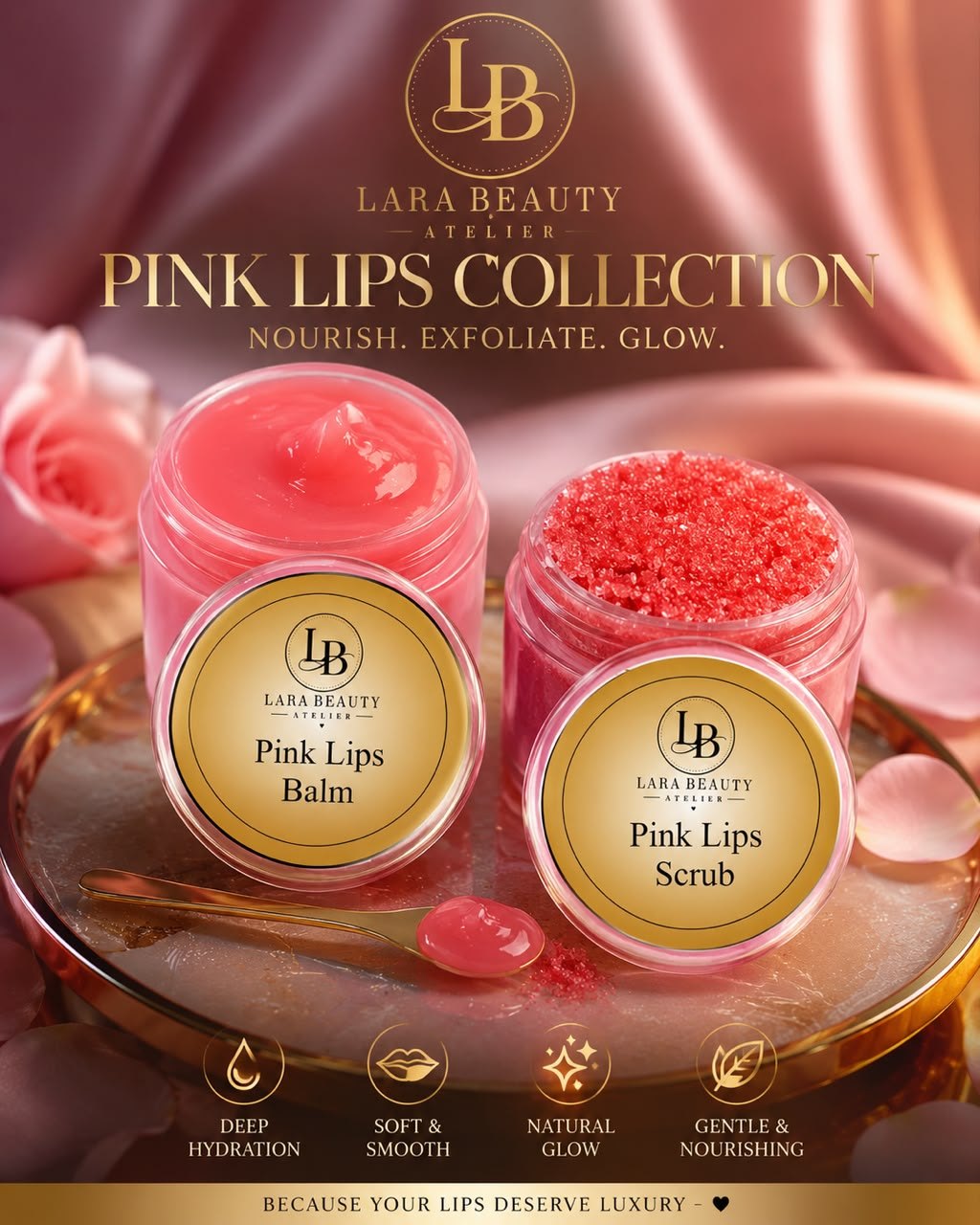
The routine that produces visible change is unglamorous and takes about six weeks. Exfoliate gently once or twice a week — a sugar-based scrub, thirty seconds, no pressure. Hydrate constantly with an occlusive balm, especially overnight when water loss peaks. Wear SPF on your lips during the day; an SPF lip balm is the single most underused product in most routines. And stop the specific behaviour causing it, whether that’s licking, biting or a lipstick you scrub off every night.
Exfoliation, done properly
Scrubbing harder doesn’t speed anything up — it creates the inflammation that darkens lips in the first place. Apply with a fingertip, move in small circles for no more than thirty seconds, rinse with lukewarm water and apply balm immediately while lips are damp. Twice a week is a ceiling, not a target. If your lips are cracked or split, skip exfoliation entirely until they have healed.
What to be sceptical of
Any product promising to "lighten" or "pink" your lips in days is either a temporary tint or something you should not be putting on a mucous membrane. Hydroquinone and mercury-based lighteners are banned or restricted in most markets for good reason, and the lips deliver anything applied to them almost directly into the body. Tinted balms that give the appearance of colour are fine — they are cosmetics, and honest about it.
A realistic timeline
Texture improves within a week of consistent balm use. Colour is slower: pigmentation that took years of sun and friction to build takes two to three months of daily SPF and no irritation to fade, and it may not return fully to a lighter shade. Anyone promising a week is selling you a tint.
Common questions
How long does it take to lighten dark lips naturally?
Expect texture changes in a week and gradual colour change over two to three months, provided you remove the cause and wear SPF daily. Genetic pigmentation won’t change.
Is lip scrub safe to use every day?
No. Once or twice weekly is enough. Daily exfoliation causes the inflammation that darkens lips.
Do lips need sunscreen?
Yes. Lip skin is thin and poorly protected by melanin, and UV is a leading cause of lip pigmentation and dryness.