Ingredients · 7 min read
Why Black Soap Dries Some Skin Types (And How to Fix It)
African black soap leaves some people glowing and others tight and flaking. The reason is pH and saponified ash — not a bad batch. Here is what’s actually happening on your skin.
African black soap dries some skin types because it’s a true soap with a pH of roughly 9 to 10, while healthy skin sits at about 4.7 to 5.5. That alkalinity temporarily swells the outer skin layer and strips more oil than a syndet cleanser would. Oily and combination skin usually tolerates it well. Dry, mature or eczema-prone skin often doesn’t — unless you change how you use it.
What black soap actually is
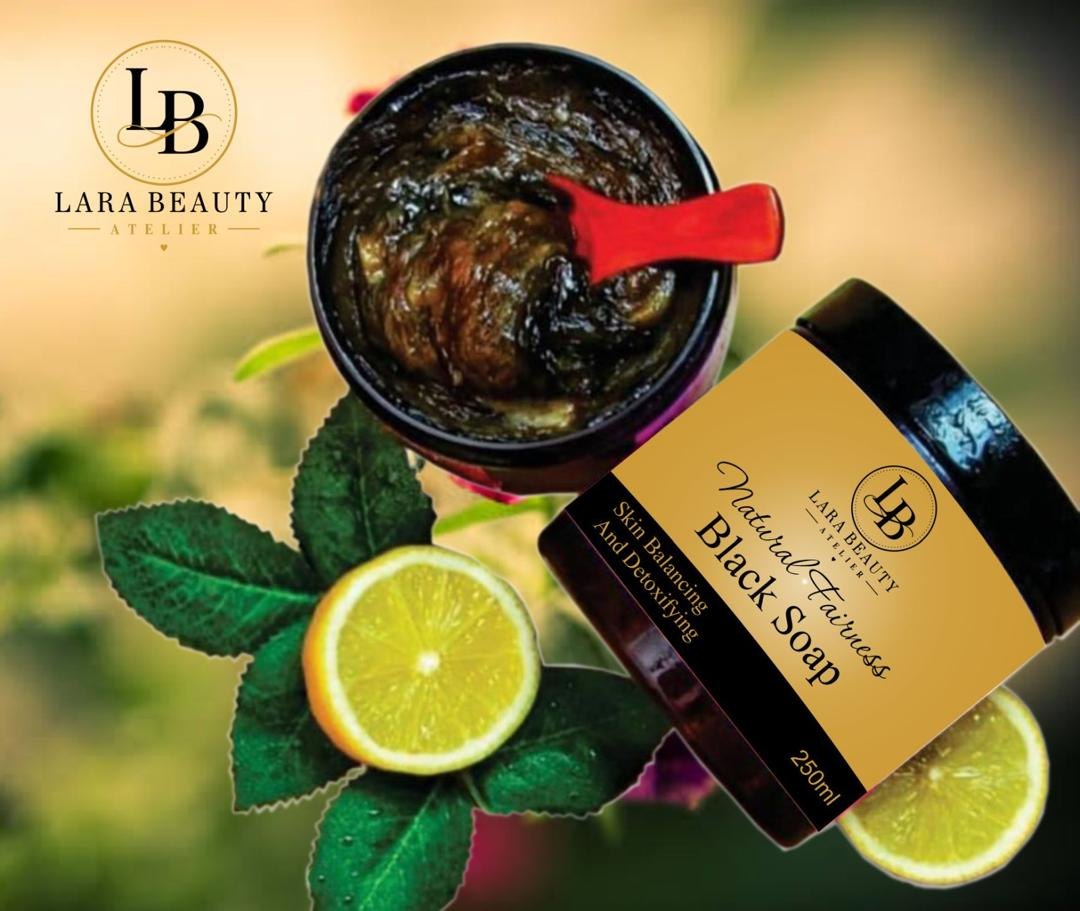
Traditional West African black soap is made by burning plantain skins, cocoa pods and palm leaves into ash, then boiling that ash with oils — palm kernel, coconut, shea butter. The ash provides the alkali. There is no lye added from a bottle; the potash comes from the plants themselves. That is also why no two batches are identical, and why the colour ranges from caramel to near-black.
Because the alkali is plant-derived and imprecise, artisanal soap can be more alkaline than industrial soap. A batch that a friend swears by can sting on your face. That is chemistry, not a scam.
The three reasons it dries you out
- pH shock. Cleansing at pH 9 lifts the acid mantle. Skin rebuilds it in a few hours, but if you cleanse twice a day the mantle never fully recovers, and you get that tight, squeaky feeling that people mistake for "clean".
- Over-saponification. If a batch has more ash than oil, the excess alkali has nothing to bond with and goes straight for the lipids in your skin. Well-cured soap has been left to sit for weeks, which lets this finish reacting. Fresh, wet, sticky soap is more aggressive.
- Frequency and water. Hard water, hot showers and twice-daily use compound everything above. Most people who say black soap "destroyed" their skin were using it morning and night with hot water.
Who should be careful
If you’ve visibly dry patches, rosacea, active eczema, or you’re already using retinoids, acids or benzoyl peroxide, treat black soap as a body cleanser and use something gentler on your face. If you’ve oily skin, back or chest breakouts, or you wear heavy sunscreen and makeup daily, it’s likely to suit you.
How to use it without the tightness
- Lather in your hands first. Never rub the bar directly on your face — that deposits far more soap than you need and any grit in the bar is abrasive.
- Keep contact under 30 seconds. Cleansing isn’t a treatment. Lather, sweep, rinse.
- Use lukewarm water. Hot water alone raises transepidermal water loss.
- Start at three times a week. Increase only if your skin stays comfortable for two weeks.
- Follow with an oil or cream within three minutes, on damp skin, while the barrier is still permeable.
- Store it dry. A wet bar sitting in a puddle keeps reacting and gets harsher. A draining dish doubles its life.
The pairing that fixes most of it
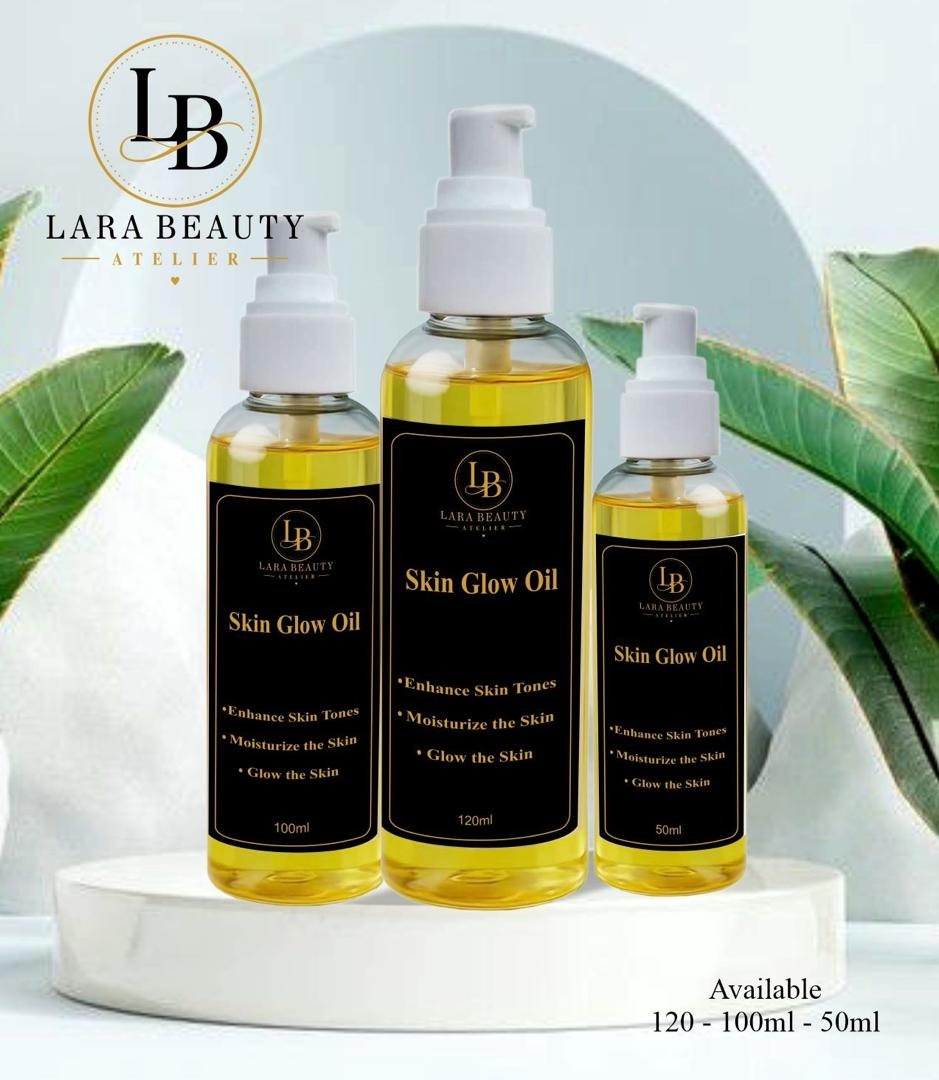
The classic mistake is cleansing well and moisturising badly. An alkaline cleanse followed by nothing leaves the barrier exposed for hours. Following it with a lightweight oil on damp skin restores the lipids the soap removed and traps the water still on the surface. In practice, that single change resolves the dryness for most people who were ready to give up on black soap entirely.
When to stop
Persistent redness, stinging that lasts beyond the rinse, flaking around the nose and mouth, or new small bumps after two weeks all mean your barrier is compromised. Stop, use a bland cream cleanser for a fortnight, and reintroduce black soap on the body only. Skin that has been over-cleansed for months can take six weeks to settle.
The short version
Black soap is not too harsh — it is too alkaline for some people at the frequency they are using it. Lower the frequency, shorten the contact time, and always follow with oil on damp skin. Most "black soap ruined my face" stories are really "I washed twice a day with hot water and moisturised nothing" stories.
Common questions
Can I use African black soap every day?
On the body, yes for most people. On the face, start at three times a week and only increase if your skin stays comfortable for two full weeks.
Why does my black soap feel gritty?
Unfiltered plant ash leaves fine particles. Lather in your hands and let the grit settle out rather than scrubbing the bar on your skin.
Does black soap lighten skin?
No. It cleanses and can improve clarity by reducing congestion, but it doesn’t bleach or lighten pigment, and any product claiming to do so should be treated with suspicion.