Routines · 5 min read
A Five-Minute Skincare Routine That Actually Holds Up
Four products, twice a day, done consistently, beats a twelve-step routine you abandon in March. Here is the minimum that works.

A routine that works needs four things: a gentle cleanser, a moisturiser, sunscreen in the morning, and one active you use consistently. Everything else is optimisation. Consistency over eighteen months does more for your skin than any single product, and the shorter the routine, the more likely you’re to keep it.
Morning: three steps, ninety seconds
- Rinse with lukewarm water, or use a gentle cleanser if you applied heavy products overnight. You don’t need to strip skin that has been on a clean pillowcase for eight hours.
- Moisturiser on damp skin. If you use a vitamin C serum, it goes before this.
- Sunscreen, generously. Two fingers' length for face and neck. This is the step with the most evidence behind it and the one people skip.
Evening: three steps, two minutes
- Cleanse properly. If you wore sunscreen or makeup, cleanse twice — an oil or balm first, then a gentle wash.
- Your active, on dry skin. Retinoid two or three nights a week to start, or an exfoliating acid on alternate nights. Never both on the same night when you’re beginning.
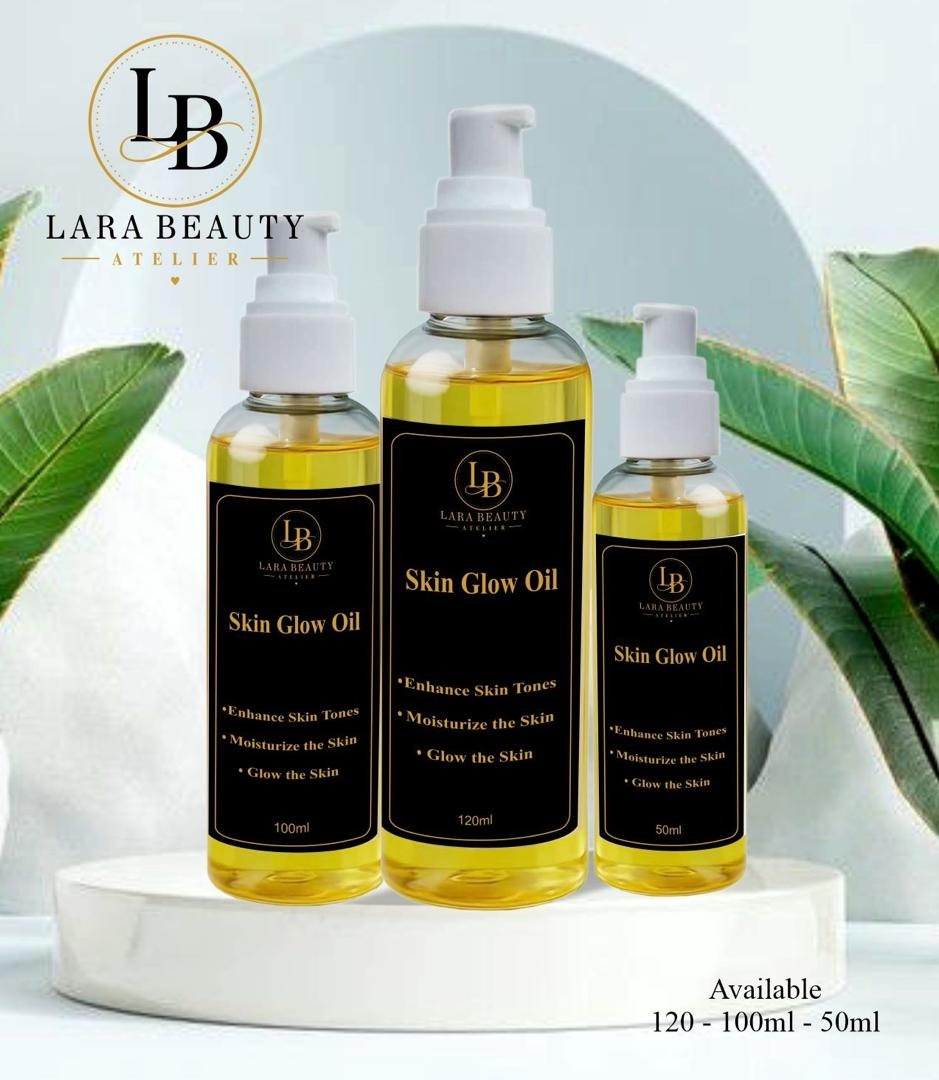
- Moisturiser, then oil if your skin is dry or the weather is.
Pick one active and stay with it
The most common mistake is stacking a retinoid, an acid, a vitamin C and a niacinamide in the same week and then wondering why the skin is irritated. Choose based on your main concern: retinoid for texture, lines and congestion; vitamin C for dullness and pigmentation; azelaic acid for redness and post-acne marks. Give it twelve weeks before you judge it. Skin turnover means nothing meaningful happens in a fortnight.
What you can safely drop
Toners in the astringent sense do nothing your cleanser hasn’t done. Separate eye creams are usually moisturiser in a smaller jar at a higher price, though a dedicated one is worth it if you use retinoid elsewhere and your eye area can’t tolerate it. Weekly sheet masks are pleasant and briefly hydrating; they aren’t a routine. Anything with a strong fragrance is a common source of irritation you’ll never trace.
The lips people forget
Lips have no sebaceous glands and the thinnest skin on the face. A balm at night and an SPF balm during the day costs you five seconds and prevents most chapping and pigmentation before it starts.
How to know it’s working
Take a photograph in the same light on the first of each month. Skin changes slowly enough that daily mirror checks tell you nothing except how you slept. Twelve weeks of photographs will tell you more than any review.
Common questions
What is the minimum effective skincare routine?
A gentle cleanser, a moisturiser, daily sunscreen, and one active used consistently. Four products cover the great majority of the benefit.
Can I use retinol and vitamin C together?
Not when starting out. Use vitamin C in the morning and a retinoid at night, and introduce them weeks apart so you can tell which one your skin reacts to.
How long before I see results from a new product?
Hydration shows within days, texture in four to six weeks, and pigmentation in twelve weeks or more. Judge nothing at two weeks.